


A step-by-step process for defining requirements, vetting suppliers, and landing a quote you can trust
To buy wholesale decorative vases, follow a repeatable process. Define your requirements, source and vet suppliers, evaluate samples and compliance, negotiate terms, and manage logistics. This disciplined approach delivers better pricing, fewer costly mistakes, and products that fit your market. Each step below comes with actionable criteria, so you can check your progress as you go.
You do not need years of buying experience to buy wholesale decorative vases well. You need a clear sequence and a checklist for every decision. Good preparation protects your margin, so begin with the display you want to build and work through the steps one at a time.
Key takeaways
- Define your vase needs first: measure your display space, choose materials, and set a budget.
- Screen suppliers carefully: ask about stock, minimums, and lead times, then compare quotes on the same shipping basis.
- Test samples and check compliance: inspect quality, confirm safety rules, and request written documentation.
- Negotiate terms and get a contract: confirm MOQs and payment terms, and put every agreement in writing.
- Plan shipping and avoid pitfalls: request packing details, calculate freight costs, and document any damage immediately.
Define Requirements
Specify Product Details
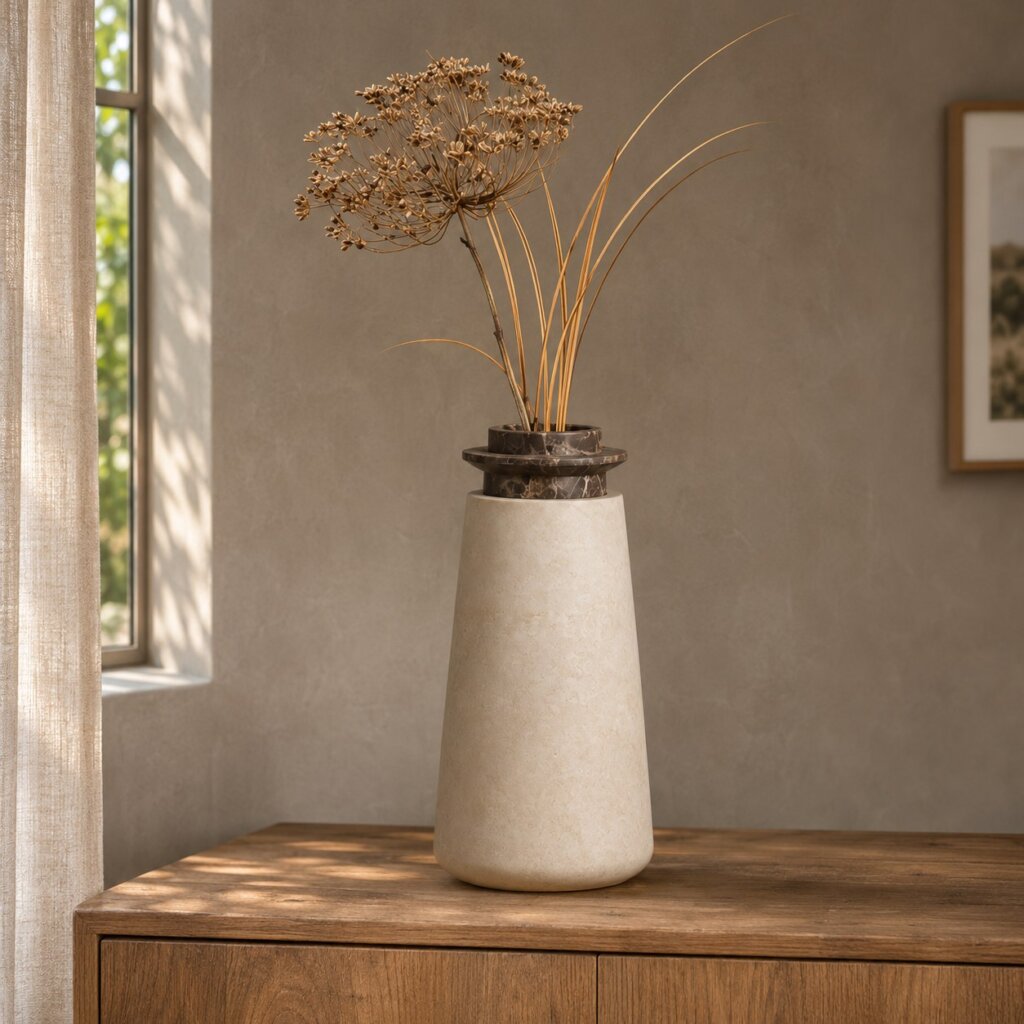
Start with the display you want to build, then work backward to vase specifications: opening width, overall dimensions, and weight. A narrow opening suits single stems, while a wide opening fits fuller arrangements. Measure the shelf or display table before you order samples. Tall and wide pieces are listed in multiple heights and widths.
Material choice should follow the display’s purpose. Use this guide to match each material to its best fit:
| Material | Where it fits | What to check on a sample |
| Glass | Displays where shape, color, or stems should be visible | Check the rim and base for chips, and ask how the glass is protected inside the carton. |
| Ceramic | Displays built around matte textures, glazes, or opaque colors | Compare the finish in store lighting and confirm expected color variation between units. |
| Metal | Displays where silhouette or finish is the main feature | Inspect the finish for scratches, check that the base sits flat, and ask whether a liner is needed for water. |
Next, decide how the vase will be used: fresh flowers, dried stems, or display only. Confirm whether it holds water and whether a liner is needed. These answers shape both your product shortlist and the care instructions you give customers.
Set Budget and Volume
Plan your budget and volume together so the order stays realistic. Shortlist a few designs and order samples where available. Request a quote that spells out the MOQ, packing details, and lead time for each style. That quote becomes your cost baseline when you buy wholesale decorative vases.
Volume decisions deserve the same care. Ask each supplier to confirm current stock and the MOQ for each SKU, and whether sizes or finishes can combine toward one minimum. A clear volume plan now prevents overstock later.
Source and Vet Suppliers
Find Supplier Channels
Your sourcing channel shapes the range of suppliers you can reach and the depth of information you get from each one. Trade shows put you in front of physical samples and let you compare finishes side by side. They suit buyers who need to touch a rim, judge a glaze in person, or see how a tall piece stands on a table. Online directories cover far more suppliers than any single event. They work best for building a long list and gathering catalogs, price sheets, and stock lists before you narrow the field. Referrals from other retailers, designers, or industry contacts carry the weight of someone’s direct experience. Use them to shortlist suppliers worth a closer look, then verify the details yourself.
Each channel has a natural place in your search. Start broad with directories and referrals, then confirm your top candidates at a trade show or through direct contact. This order keeps your options open and your time focused.
Screen for Reliability
A supplier’s catalog tells you what they make. A short screening conversation tells you whether they can deliver it. Ask direct questions and record the answers in one comparison sheet: current stock for each style you want, the MOQ per SKU, whether different sizes or finishes can be combined toward a single minimum, reorder availability, and the lead time on each item.
These criteria separate a supplier who can support your business from one who cannot. A supplier with deep stock but a high per-SKU minimum may not fit a small trial order. A supplier with flexible minimums but long lead times may not suit a fast restock cycle. Neither is wrong. Each fits a different buying pattern, and your job is to find the match.
Pricing comparisons only work on equal footing. Ask every supplier to quote on the same shipping basis. One quote may list product cost only, while another bundles freight into the total. Mixed bases hide the real difference between offers. A consistent basis lets you compare totals directly and spot the true low-cost option.
Keep your screening notes next to each quote. At the negotiation stage, you will have a clear record of what each supplier promised on stock, minimums, reorders, and lead time. That record protects you from surprises later.
Evaluate Quality and Compliance
Test Samples and Materials
A sample in your hands answers questions no catalog photo can. Check each material against its own failure points and log the answers to the questions below. A clean sample means little if the shipped unit arrives cracked, so always ask how the item is protected inside the carton.
| Material | Sample check | Question to ask the supplier |
| Glass | Inspect the rim and base for chips | How is the glass protected inside the carton? |
| Ceramic | Compare the finish in store lighting | How much color variation should I expect between units? |
| Metal | Inspect the finish for scratches and check that the base sits flat | Does this model need a liner to hold water? |
Context matters as much as condition. Place the sample next to products you already sell. Does it match your display’s scale and price tier? For online listings, photograph the vase alongside an object that shows its true size. Check how much packing space the piece needs, because bulky vases raise freight and storage costs.
Check Safety and Import Rules
Compliance failures cost far more than a bad sample. Confirm the safety and labeling requirements that apply to decorative vases in your destination country. Check import regulations before you commit to an order, not after the container ships. Requirements vary by market and by material, so verify the rules for each SKU you plan to sell.
Keep your compliance check simple and repeatable. Ask each supplier which safety and labeling standards their products meet, and request the documentation in writing. Confirm that labels will appear on the product or packaging as your market requires. If a supplier cannot answer these questions clearly, treat that as a warning sign.
Build compliance into your quote request. State your delivery country and postal code, and ask the supplier to confirm the import requirements for that destination. This step surfaces potential issues early, while you still have room to change suppliers or specifications. A disciplined compliance check protects your business and your customers, and it keeps your wholesale vase order on schedule.
Negotiate Pricing and Terms
Understand MOQs and Payment
Minimum order quantities set the real entry point for your order. Published starting quantities often combine ready-to-ship single pieces with bulk orders at a per-item minimum, such as 30 pieces per item. Ask about trial orders before assuming a large commitment is required. Send your shortlist and ask the supplier to confirm the current MOQ for each SKU, and whether different sizes or finishes can combine toward one minimum. That answer can turn an unworkable order into a practical one.
Payment terms deserve the same scrutiny. Ask about deposit amounts, balance timing, and accepted payment methods. Request volume discounts in writing, and confirm the quantity tier that unlocks each price break. Compare landed cost per unit using product price, freight, and any duties or handling charges. Keep every quote on the same shipping basis so totals stay comparable.
Lock In a Written Contract
A verbal agreement leaves room for dispute. Put every commitment in a written contract and keep a signed copy on file. The document should cover the essentials below.
| Contract item | What to confirm |
| Pricing | Unit price per SKU and any volume tiers |
| MOQ | Minimum per item and whether sizes or finishes combine |
| Lead time | Production and delivery timeline per style |
| Packing configuration | Inner packaging, units per carton, carton dimensions |
| Damage claims | How to document transit damage and the claim deadline |
Review the damage-claim process before you sign. Ask how to photograph and report damaged units, and note the deadline for submitting a claim. Confirm the packing configuration matches what you approved at the sample stage. A clear contract protects your margin and gives both sides a shared reference when questions arise.

Logistics and Pitfalls
Plan Shipping and Inventory
Packing details decide whether your vases arrive intact. Ask for photos of the vase inside its inner packaging and inside the shipping carton. For glass and ceramic styles, look for protection around the rim and base and separation between pieces. For metal styles, check how the packing protects finished surfaces from rubbing. Standard packaging may use a polypropylene bag, shaped foam, and a carton, so confirm the exact configuration for your SKU.
Freight and storage estimates need carton data. Request the number of units per carton, the outer carton dimensions, and the gross weight. These figures let you calculate shipping volume and warehouse space before you commit. Confirm whether each vase has its own box if you plan to sell online or need individual shelf packaging. Individual boxes add carton volume, so factor that into your freight estimate.
Avoid Common Pitfalls
Four problems trip up wholesale vase buyers. Quality inconsistencies between units top the list, so compare several samples of the same SKU. Hidden costs come next: freight, duties, and handling charges can shift your landed cost well above the quoted unit price. Communication gaps cause missed deadlines, so keep one written record of every commitment. Undocumented transit damage closes the list. Photograph damaged units before you unpack the full carton, report the damage promptly, and confirm the claim deadline in your contract.
A complete quote request prevents most of these problems. Send your supplier the following details:
- SKU and size or finish
- Quantity per style
- Delivery country and postal code
- Target arrival date
- Whether you need a sample, individual boxes, or custom labels
With these details in hand, your supplier can confirm options and quote the right configuration. You get comparable numbers, and you avoid the back-and-forth that delays an order.
You now have a clear path: define your requirements, source and vet suppliers, evaluate quality and compliance, negotiate pricing and terms, then plan logistics and avoid common pitfalls. Each step builds on the one before it. A disciplined, step-by-step process is what makes wholesale vase buying successful, protects your margin, and stocks products that fit your market.
Start with step one today. Measure your display, list your specifications, and shortlist a few designs. Your first quote request is closer than you think.
FAQ
What is the minimum order for decorative vases?
Published starting quantities are one piece for ready-to-ship items and 30 pieces per item for bulk orders. Trial orders may be supported. Ask your supplier to confirm the current MOQ for each SKU before you commit.
Can I combine sizes or finishes to reach a minimum?
Often you can. Ask whether different sizes or finishes count toward a single minimum, and raise the question early in your quote request so the answer can shape your order.
How many samples should I check before ordering?
Compare several samples of the same SKU. Quality can vary between units, and one clean sample tells you little about the batch. Set each sample beside products you already sell to judge scale and price tier.
What packing details should I request?
Ask for photos of the vase inside its inner packaging and inside the shipping carton. Request units per carton, outer carton dimensions, and gross weight. Confirm whether each vase has its own box for online sales.
How do I handle transit damage?
Photograph damaged units before you unpack the full carton. Report the damage promptly and confirm the claim deadline in your contract. A written damage-claim process protects your margin and settles disputes quickly.